
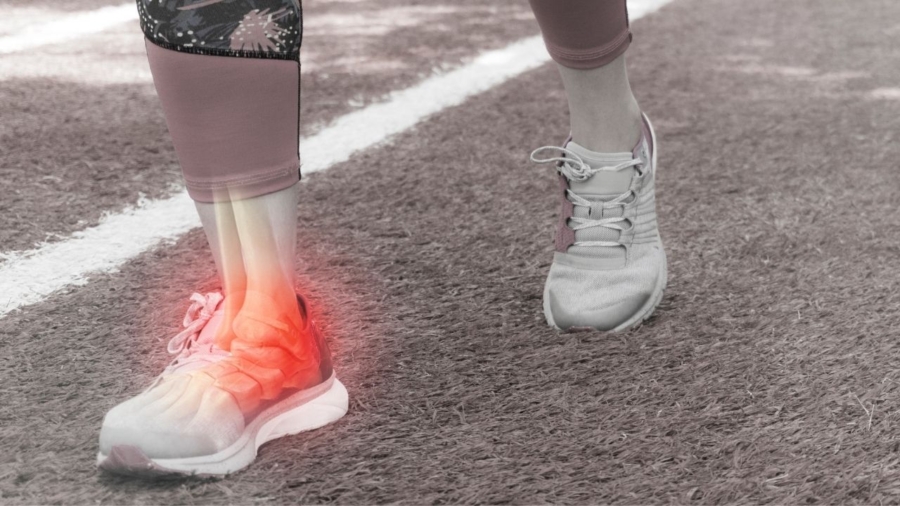
As the cold weather begins to surface, the enthusiasts of winter sports eagerly wait for snow-covered mountains and frozen lakes. But winter sports like skiing, snowboarding, and ice skating carry their inherent risks, particularly to your feet and ankles. Let’s discuss how to prepare for the season in order to minimize these risks.
The most common foot injuries in winter sports
Even though winter sports are undeniably fun and exhilarating, they can potentially lead to distressing injuries. Some of the common ones include ankle sprains and fractures, Achilles tendon injuries, and frostbite. Snowboarders often experience 'snowboarder’s ankle,’ a specific type of fracture, whereas skiers are more prone to thumb and knee injuries. Strains, sprains, dislocations, and fractures, may result from falls, impacts, or the very muscular exertion these sports require. Undoubtedly, an awareness and understanding of these injuries is the first step towards prevention.
Preparation is crucial
Just like any other sport, winter sports demand proper conditioning and preparation. Never rush into any intense physical activity without gradual training – a sudden spike in activity levels can easily cause injury. Regular workouts aimed at improving flexibility, strength, and endurance will significantly help in reducing the risk.
The importance of appropriate gear
Your choice of equipment plays a massive role in preventing foot injuries. Well-fitting ski or snowboard boots, high-quality socks, and correctly adjusted bindings can make a significant difference. The boots ought to fit snugly around the ankle and heel, support the arch, and allow toe wiggle room. Socks should be moisture-resistant and provide ample thermal insulation. Binding adjustments are crucial to ensure they release under stress, preventing ankle or foot fractures. Remember, any compromise in this department increases the chance of injuries in winter sports.
Listen to your body
It’s essential while taking part in winter sports to listen to your body. Don’t brush off fatigue, pain, or discomfort, as these might be signs of a potential injury. Immediate treatment and ample rest can hasten recovery and prevent further damage. Keep in mind that seeking medical attention early can be the difference between a minor and a severe injury.
Prevention of frostbite
Among the host of foot injuries, frostbite deserves a special mention. Protecting your feet from the extreme cold is vital. As mentioned earlier, thermal socks are crucial, and boot heaters can add to the comfort. Avoiding tight boots that cut off circulation can also prevent frostbite. Be aware of early frostbite signs, such as waxy-looking skin, numbness, and a feeling of coldness in the affected areas.
In conclusion, the physical demands of winter sports and the cold, potentially dangerous environment in which they’re performed imply that injuries are a possibility. However, with adequate preparation and precautions, these risks can be significantly reduced. Enjoy the winter season, but remember to keep safety a priority.
Artykuł sponsorowany